
Article Contents:
- Silver's Enduring Legacy in Human History
- The Distinctive Qualities of Colloidal Silver Water
- Controlled Concentration: Managing Silver Levels in Water
From ancient civilizations that viewed silver as a symbol of clarity, refinement, and value to modern researchers who study its unique physical and chemical traits, this remarkable metal has captured human curiosity for centuries. Historical accounts highlight its role in cultural rituals, art, and craftsmanship, while scientific interest has focused on understanding what makes it so unique as a natural element.
By the 20th century, innovators were exploring new ways to combine silver with water and other materials, expanding its use in emerging technologies and consumer products. Today, its notable qualities continue to inspire interest, making silver a notable component in a variety of contemporary wellness routines and lifestyle applications.
What has allowed silver to stand out across eras, and why does it remain such a notable material in human history? Let's explore its lasting legacy and the qualities that continue to fascinate people today.
Silver's Enduring Legacy in Human History
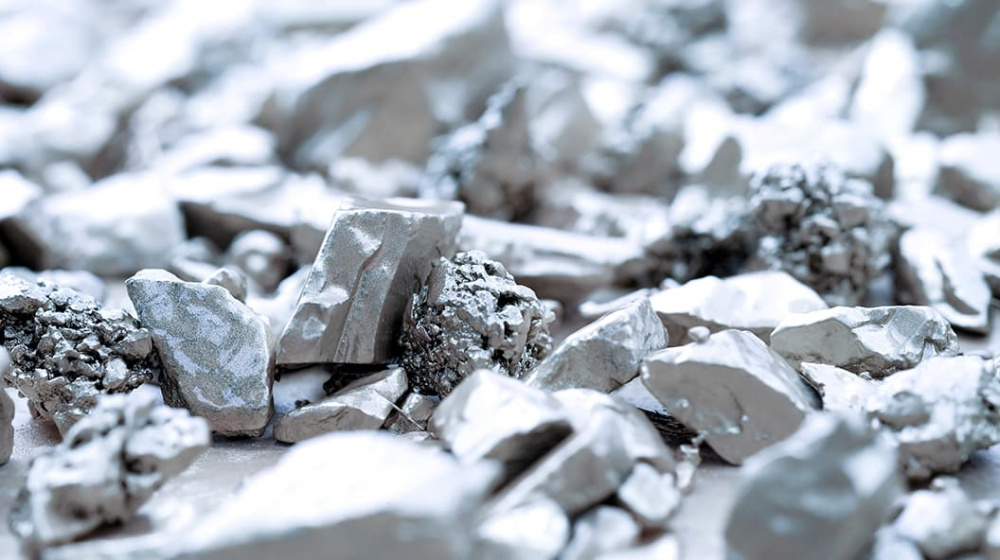
Silver — a shimmering, malleable metal — holds a special place among the world’s noble elements. Represented by the symbol Ag (Argentum) and number 47 on the Periodic Table, silver’s distinctive qualities have been admired since ancient times. The Greek historian Herodotus wrote that as early as the 5th century BCE, Persian King Cyrus drank water only from “sacred silver vessels” during his campaigns. People observed that water stored in these containers seemed to maintain its clarity longer than water kept in other materials, contributing to silver's enduring reputation as a valuable and desired metal.
Throughout history, silver has only been associated with qualities of strength, value, and tradition. Chronicles from the era of Alexander the Great note that officers traditionally used silver drinking vessels, while soldiers used cups made from other medals.
Across different cultures, silver held symbolic and practical significance beyond its use in vessels and ornaments. Ancient records describe silver being incorporated into various traditions and daily practices—such as placing thin sheets of the metal on ceremonial objects, or adding small amounts of silver to foods as part of customary rituals. By the early 20th century, people also experimented with placing silver coins in water, exploring ways to disperse the metal into liquid long before modern manufacturing techniques created more consistent and carefully controlled silver-based solutions.
The Distinctive Qualities of Colloidal Silver Water
Today, this idea has evolved into what is commonly known as colloidal silver water—a mixture in which extremely small silver particles are suspended in purified, demineralized water. Modern manufacturing techniques focus on achieving consistent particle size and purity, while specialized stabilization methods help maintain an even distribution of silver throughout the liquid over time.
In modern times, silver continues to attract scientific and technological interest due to its distinctive material characteristics. Researchers study how silver behaves at extremely small particle sizes, how it interacts with light, and how it can be incorporated into a range of consumer and industrial applications. These unique properties are part of what has made silver a consistently valued material across different fields and eras.
Silver’s unique physical and chemical characteristics continue to make it an element of interest across various scientific and technological fields.
Discussions about silver’s historical uses often mention a wide range of observations recorded across different cultures. Over time, people noted various ways silver was incorporated into traditional practices and household routines, contributing to its enduring reputation as a distinctive and valued material.
Over the years, different cultures have incorporated silver-based solutions into various personal routines, often reflecting regional traditions and beliefs about well-being. While these practices differed widely from place to place, they helped shape modern interest in silver and its continued presence in contemporary wellness habits.
Controlled Concentration: Managing Silver Levels in Water
As with any wellness product, it’s important to use silver solutions responsibly. Concentration levels can vary widely in homemade preparations, which is why many consumers prefer products made through controlled manufacturing methods with clearly defined specifications. Individuals with specific questions about their personal needs or health circumstances should consult a healthcare professional for guidance.
{item:91619}For responsible use, always choose products with controlled and clearly defined concentrations.
Silver-Max* from Coral Club provides colloidal silver at a controlled 10 ppm (mg/L) concentration, formulated for consistent use when taken as directed. Created with SilverSol Technology®, it features consistent particle size and purity as part of a professionally formulated colloidal silver solution. As always, consult your healthcare provider to find the best dosage and use plan for your individual needs.
Silver nanoparticles also power our advanced formula, Coral-Mine Silver. Each sachet combines finely milled coral, L-ascorbic acid, and silver particles to enrich your water with trace minerals as part of your daily hydration routine.
In the end, silver’s remarkable journey — from ancient empires to modern scientific interest— shows why it continues to capture attention across cultures and time. When incorporated thoughtfully as part of a daily balanced routine, products like Silver-Max reflect this enduring fascination with silver's unique material properties.
*These statements have not been evaluated by the Food and Drug Administration. This product is not intended to diagnose, treat, cure, or prevent any disease.


